- All Stories
- Public/Private Partnerships - Powerful Engines of Economic…
- General
- Seasoned Entrepreneurs
- Emerging Entrepreneurs
- EAB Partnerships
Public/Private Partnerships - Powerful Engines of Economic Growth
Chris Cochran
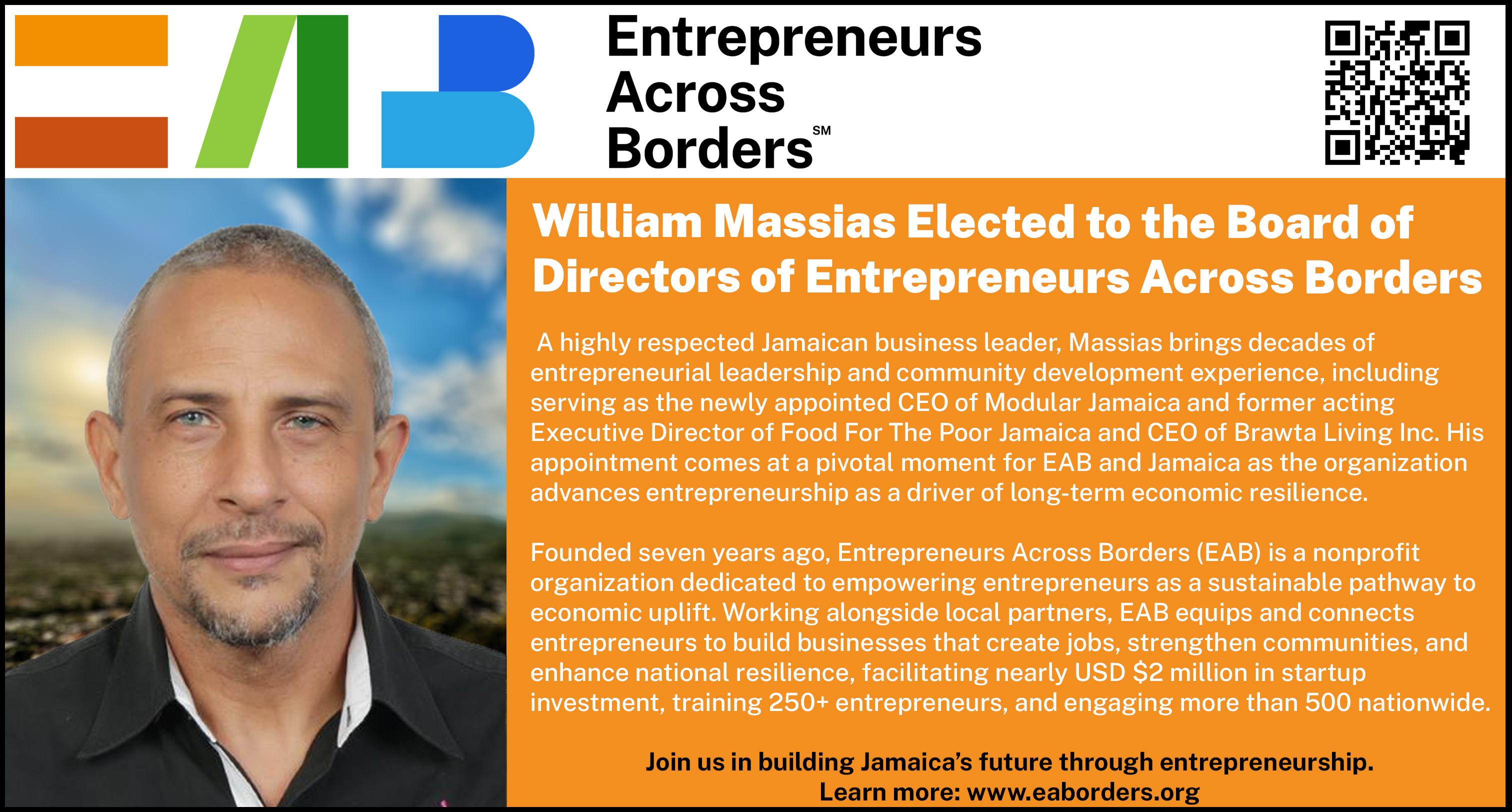
Public-private partnerships are rapidly becoming the cornerstone of thriving entrepreneurial ecosystems. By combining the resources and agility of the private sector with the community knowledge and outreach capacity of NGOs, these partnerships create a dynamic environment where entrepreneurs can flourish. A recent example of this synergy can be seen in the election of William Macias—a seasoned private sector leader and former nonprofit executive—to the board of Entrepreneurs Across Borders.
Macias’ election symbolizes the growing recognition that entrepreneurship doesn’t thrive in a vacuum. Entrepreneurs need mentorship, funding, training, and access to markets—resources that are often scattered across sectors. NGOs typically provide on-the-ground support, community engagement, and an understanding of local needs, while private companies bring capital, innovation, and operational efficiency. Together, they can build a robust support network that empowers new businesses to succeed.
For instance, NGOs might run training programs or incubators that identify promising entrepreneurs in underserved communities. Once these entrepreneurs are prepared, private companies can step in with investment, supply chain connections, or technology. This blend of resources ensures that entrepreneurs aren’t just starting businesses, but building viable enterprises that can scale and contribute to the economy.
William Macias’s diverse background makes him an ideal bridge between these sectors. His experience in the private sector means he understands the importance of strategic investments and measurable returns. His nonprofit leadership has given him insight into community needs and the patience required to develop long-term solutions. On the board of Entrepreneurs Across Borders, he can champion initiatives that leverage both perspectives, ensuring that programs are both socially responsive and financially sustainable.
As more organizations embrace this model, the benefits extend beyond individual entrepreneurs. Successful startups create jobs, stimulate local economies, and inspire innovation. Public-private partnerships also encourage accountability and transparency, as they bring together different stakeholders with shared goals. And by demonstrating that collaboration leads to tangible outcomes, they build trust among communities, businesses, and policymakers.
In sum, William Macias’s election to the Entrepreneurs Across Borders board is more than a personal achievement; it’s a testament to the power of public-private partnerships in fostering entrepreneurship. These partnerships are essential in building resilient economies, and as more leaders with cross-sector experience take the helm, entrepreneurs everywhere stand to benefit.