- All Stories
- 10 Entrepreneurial Ecosystem Builders Every Funder Should…
- General
- Seasoned Entrepreneurs
- EAB Partnerships
10 Entrepreneurial Ecosystem Builders Every Funder Should Know
Chris Cochran
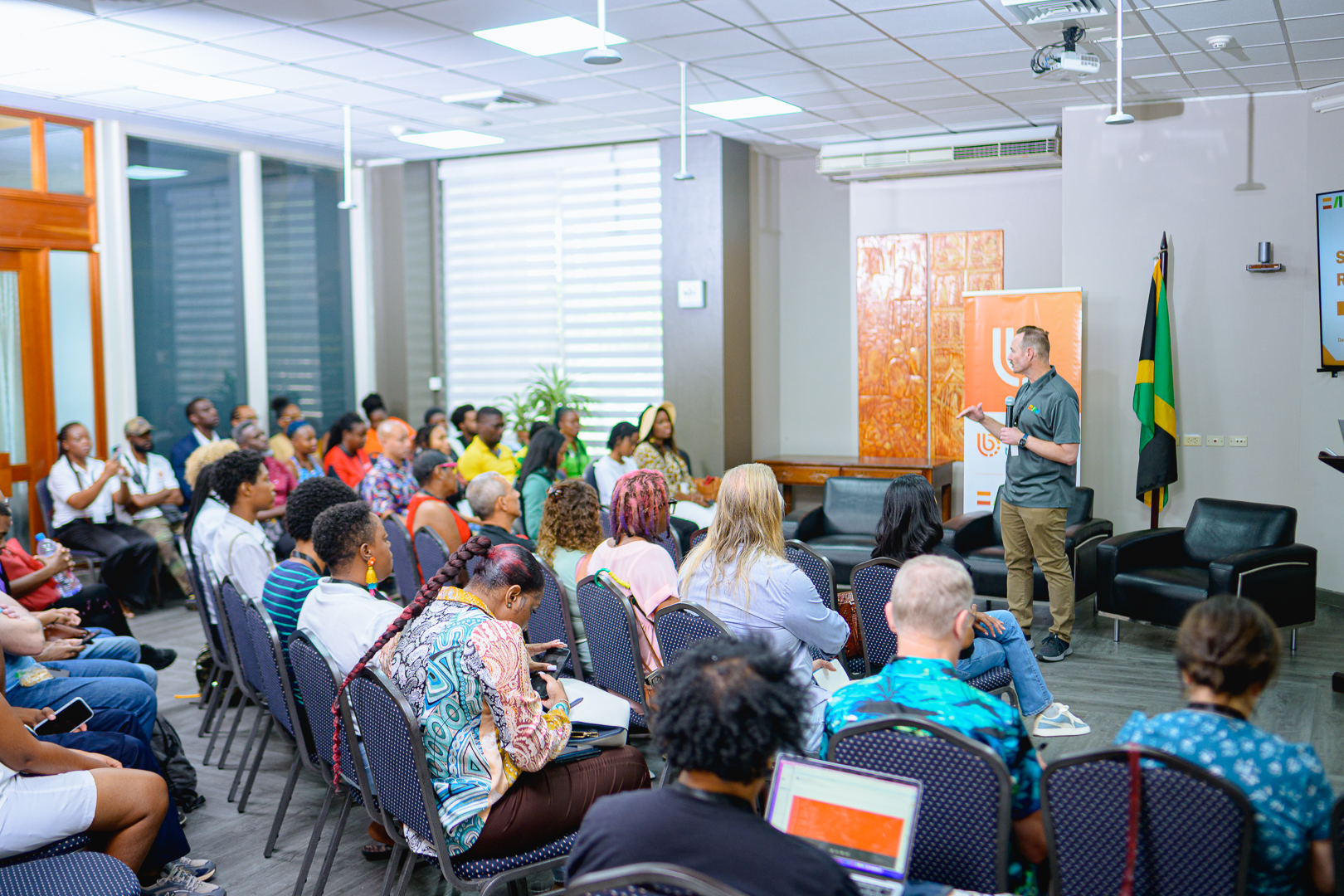
Funding great founders matters. Funding the systems around founders can multiply results. In many emerging markets, entrepreneurs face common constraints such as limited networks, uneven access to mentors, and low visibility beyond their immediate circles. That is where ecosystem builders come in, because they strengthen the infrastructure of entrepreneur support that helps founders move from ideas to traction. For this article, we reviewed program descriptions from widely recognized entrepreneurship organizations, compared ecosystem-building frameworks used by practitioners, and examined the types of builder-funder references used when seeking scalable entrepreneur ecosystem development. The goal is simple: help you recognize the organizations that strengthen pipelines, upgrade local support groups, and create more “investable moments” for founders over time, without replacing local leadership.
Why ecosystem builders matter for funders
Ecosystem building is the work of connecting people, capital, knowledge, and markets so more entrepreneurs can start, grow, and scale. The best ecosystem builders do not act as the center of the story. They help local organizations coordinate, share methods, and grow capacity.
For funders, that often creates three advantages:
-
Better deal flow because more founders become ready for capital
-
Lower risk because founders have stronger guidance and peer learning
-
Bigger leverage because one ecosystem investment can benefit many entrepreneurs and support organizations
What to look for in ecosystem building
If you are assessing ecosystem-building efforts, these signals tend to matter:
-
Local partnership first: they co-build with local organizations
-
Clear method: they can explain how they create outcomes
-
Talent development: they strengthen founders, mentors, and support organizations
-
Capital pathways: they connect founders to markets and finance readiness
-
Learning loop: they use feedback to improve over time
10 ecosystem builders funders should know
1) Aspen Network of Development Entrepreneurs (ANDE)
ANDE is a global network that connects organizations supporting small and growing businesses in emerging markets. It is valuable to funders because it helps organizations learn from one another, align practices, and reduce duplication. It is also a strong place to identify credible local partners already doing the work on the ground.
2) Endeavor
Endeavor supports high-impact entrepreneurs as they scale through mentorship, networks, and market access. Funders pay attention to Endeavor because scaleups can create ripple effects: new jobs, new managers, future founders, and new angel investors. If your thesis is ecosystem building through “multiplier” founders, Endeavor is often a reference point.
3) Village Capital (VilCap)
Village Capital combines founder programs with a strong emphasis on strengthening local entrepreneur support organizations. It is relevant for entrepreneur ecosystem development because it often works through partners, helping local groups deliver programs more effectively. That means funders can support both founders and the local capacity that will remain after a cohort ends.
4) GSMA Innovation Fund and ecosystem programs
GSMA runs innovation funding and support programs tied to digital and mobile-enabled solutions. Funders track GSMA because it often identifies ventures at the intersection of technology and inclusion, and it shares insights into what is working across regions. It can be useful both as a pipeline signal and as a learning source for ecosystem building.
5) Global Entrepreneurship Network (GEN)
GEN connects ecosystem actors across countries through events, programs, and community platforms. For funders, GEN can act like connective tissue, helping you find ecosystem builders and peer funders faster. It is especially useful when you are exploring new regions and want trusted introductions and context.
6) Startup Genome
Startup Genome is known for ecosystem analysis and for helping regions benchmark and plan ecosystem strategy. For funders, this is helpful because ecosystem building improves when stakeholders share a common language and clear priorities. Data and structured strategy can reduce “random acts of support” and increase coordination.
7) MIT REAP (Regional Entrepreneurship Acceleration Program)
MIT REAP supports regions in building innovation-driven entrepreneurial ecosystems by convening stakeholder teams and guiding strategy. Funders should know this because it treats ecosystem building as a long-term coordination challenge. It can help regions align universities, entrepreneurs, investors, and support organizations around shared goals and actions.
8) Techstars Startup Community approach
Techstars is widely recognized for its accelerators and for promoting a structured approach to building startup communities. Funders can learn from this model: healthy ecosystems require durable community leadership, not just a single program. When community builders have tools, mentors, and continuity, ecosystems tend to last longer.
9) Ewing Marion Kauffman Foundation (ecosystem playbooks and principles)
Kauffman is a major source of ecosystem-building frameworks and practitioner playbooks. Funders often use these principles to align partners and improve how ecosystem work is designed. If you want to support ecosystem building with shared standards and language, Kauffman’s materials are frequently referenced.
10) Seedstars
Seedstars supports entrepreneurs in emerging markets through programs, partnerships, and investment pathways. It matters for entrepreneur ecosystem development because it often operates near early-stage founder talent and helps founders become more visible to broader networks. It can be a connector across markets, programs, and capital readiness support.
How Entrepreneurs Across Borders fits into entrepreneur ecosystem development
At EAB, we believe connection, not charity, creates opportunity. Our focus is on strengthening the human layer of ecosystem building: mentorship, peer learning, and visibility that helps founders access markets and supporters respectfully.
EAB’s approach includes:
-
EAB Connect: training and certification-style learning that builds founder readiness and visibility
-
Office Hours: one-hour mentorship sessions that turn feedback into next steps
-
GEIN: a network that connects experienced mentors and supporters with emerging entrepreneurs
This complements local ecosystems by increasing access to relationships and know-how, while respecting local leadership and partners.
A simple funding lens you can use this month
If you are deciding where to place a grant or partnership, ask:
-
Does this effort strengthen local support organizations for entrepreneurs?
-
What method do they use, and who learns it locally?
-
How do they connect founders to mentors, markets, and capital pathways?
-
What do they measure, and how do they improve based on what they learn?
This is how ecosystem building becomes investable: it gets clearer, more local, and more durable.
Become a Mentor
If you want to support ecosystem building practically, consider becoming a mentor with Entrepreneurs Across Borders. One focused hour can help a founder make better decisions, grow confidence, and move faster with fewer missteps.
FAQs
What is entrepreneur ecosystem development in simple terms?
It is strengthening the environment around entrepreneurs so more businesses can start and grow. That includes mentorship, training, support organizations, access to markets, and pathways to capital. When those pieces connect, founders move faster.
What is the difference between an accelerator and ecosystem building?
An accelerator usually serves a cohort for a fixed period with structured programming. Ecosystem building focuses on the broader system: networks, mentors, support organizations, and stakeholder collaboration. Some organizations do both.
How can funders measure ecosystem building without over-optimizing metrics?
Look at a mix of signals: stronger support organizations, more mentor engagement, more founder readiness, and better collaboration among ecosystem actors over time, you may see more startups formed, more revenue traction, and more follow-on investment. The most important part is a learning loop that improves the approach.
Where should a first-time ecosystem funder start?
Start by backing connective work that benefits many founders: mentor networks, capacity building for local support organizations, and shared community infrastructure. Co-funding with trusted partners can also reduce risk. Prioritize locally led efforts that will last.
How does mentorship help ecosystem building?
Mentorship improves decision-making and expands networks, especially early on. It also builds confidence and exposes founders to standards and best practices. Structured formats like Office Hours make mentorship easier to deliver consistently.