- All Stories
- 20 Websites Every First-Time Entrepreneur Should Bookmark
- General
- Emerging Entrepreneurs
- How To
20 Websites Every First-Time Entrepreneur Should Bookmark
Chris Cochran
20 Websites Every First-Time Entrepreneur Should Bookmark
Starting your first business can feel like juggling 20 tabs at once, because you are. The good news is that a small set of trusted websites can handle a big chunk of the work: planning, registering, pricing, marketing, and tracking your money. For this list, we reviewed practical startup checklists used by early-stage founders, scanned training libraries that mentors regularly recommend, and compared a mix of Jamaica-based and global resources that are easy to use on day one. Think of these as your “home base” bookmarks. Save them now, and future you will be grateful when you need an answer fast, without digging through random search results.
How to use this list as a first-time entrepreneur
Bookmark everything, then pick five to use this week:
-
One for planning
-
One for setup and registration
-
One for marketing
-
One for money
-
One for learning
That simple system helps you move faster without getting overwhelmed.
Also, remember that tools are only half the story. Most first-time founders need support from real people, too: mentors, peers, and a community that will help you solve problems in real time.
A starting point many founders overlook
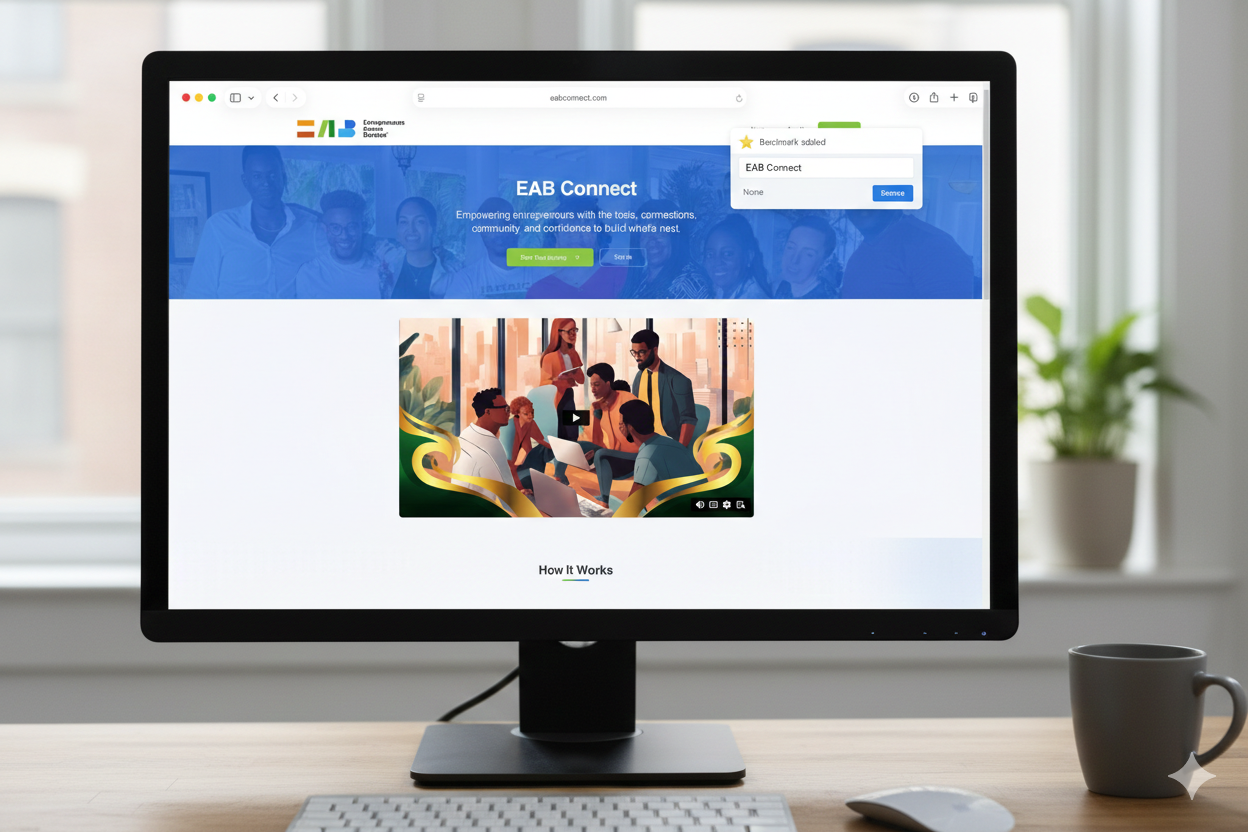
Before diving into dozens of tools and websites, many first-time entrepreneurs benefit from a structured starting place that combines training, practical tools, and real mentorship. EABConnect is a free platform where founders—regardless of background, experience, or stage—can access step-by-step training, automatically generate a customized pitch deck and founder profile, and connect with mentors who provide practical guidance. Instead of piecing everything together alone, entrepreneurs can build skills, clarify their business idea, and get real feedback in one place. For many founders, using EABConnect as a first step makes the rest of the tools on this list far easier to use and far more effective.
Jamaica focused basics to keep close
These sites are especially useful if you are building in Jamaica or building with Jamaica in mind.
1) Jamaica Business Development Corporation (JBDC)
A practical hub for founder education and business-building resources. JBDC is known for training opportunities, guidance programs, and support services that help entrepreneurs build stronger operations, sharpen their products, and improve business readiness.
2) JAMPRO (Do Business Jamaica)
A central place to learn how Jamaica presents business opportunities to the world. It is especially useful if you are thinking about growth beyond your local market, including export readiness, investment facing guidance, and market positioning basics.
3) Companies Office of Jamaica (COJ)
The official place to understand and complete key registration steps. When you are ready to formalize, this site helps you navigate the structure of registration and the kinds of filings that often come up as businesses grow.
4) Development Bank of Jamaica (DBJ)
A helpful resource for understanding pathways related to financing and development-oriented support for micro, small, and medium enterprises. It can also be useful when you want to understand the wider business support landscape and what options exist.
5) Jamaica Business Gateway
A plain language “how-to” style resource that explains common setup steps and business basics in an accessible way. If you want a clearer picture of early actions like registering, planning, or understanding what comes next, this is a good starting point.
Planning and validation
These resources help you turn a raw idea into a clear plan you can execute.
6) LivePlan (and Bplans style planning resources)
A business planning platform that helps you organize your idea into sections that matter to lenders, partners, and even your future team. It is also useful for founders who want structure, templates, and example plans to avoid starting from a blank page.
7) Strategyzer Business Model Canvas library
A set of tools and explanations that make the Business Model Canvas easy to use. This is helpful when you want to map your customers, value, costs, and revenue on one page, especially before you spend money building a full product.
8) Google Trends
A quick way to see what people are searching for over time and across locations. It helps you sense demand, compare interest between ideas, and spot seasonality, which is useful for pricing, timing, and content planning.
Learning and mentorship you can actually apply
These sites are popular because they focus on what founders need to do next.
9) Y Combinator Startup School
A free learning platform built around early startup fundamentals. It is best for founders who want straightforward lessons on finding customers, building something people want, and staying focused on progress over perfection.
10) HubSpot Academy
A large library of free training that feels beginner-friendly and practical. It is especially strong for marketing and sales basics: messaging, simple funnels, email marketing, and customer relationship habits you will need as you grow.
11) SCORE
A mentorship and education network with guides, templates, and workshops. Even if you are not in the same country as its main audience, the content is still valuable because it focuses on universal small business problems: pricing, cash flow, operations, and sales.
Branding, design, and online presence
These help you show up professionally without needing a big budget.
12) Canva
A design tool that lets non-designers create clean, consistent visuals. Great for early stage founders who need quick marketing assets like logos, flyers, pitch decks, product labels, and social media templates.
13) Unsplash
A large collection of high-quality photos you can use to make your website and marketing look polished. It helps founders avoid the “empty website” problem and makes your brand feel more established from day one.
14) Namecheap
A simple place to purchase a domain name and manage basic web needs. It is often used by first-time founders because it makes the early step of claiming your business name online feel less intimidating.
15) WordPress
A flexible website and publishing platform that works well for founders who want to build a simple site fast. It is especially useful for content-driven businesses, service providers, and anyone who wants a blog, landing pages, and a basic site structure without heavy development.
Marketing and customer growth
These tools help you reach customers, test messages, and learn what actually works.
16) Mailchimp (learning and resources)
Known for email marketing, but the educational content is just as valuable. It helps you learn how to build a list, write emails people open, set up simple campaigns, and develop routines that turn interest into sales.
17) Meta Business Suite
A management dashboard for running Facebook and Instagram more efficiently. Useful for founders who sell through social media, because it helps you manage posts, messages, and basic analytics in one place.
18) Ahrefs beginner SEO education
A clear learning resource for showing up in search. It helps you understand how people find businesses online, how to choose topics and keywords, and how to create pages that bring consistent traffic over time.
19) Google Analytics
A measurement tool that shows what people do on your website. It helps you answer basic growth questions like: Where did visitors come from, which pages matter most, and what actions lead to inquiries or sales.
Money, pricing, and bookkeeping
If your numbers are messy, everything gets harder. These are popular early stage picks.
20) Wave
A lightweight tool for invoicing and basic financial tracking. It is useful when you want to look professional with invoices, keep client payments organized, and start building consistent money habits before you hire an accountant.
A final note on entrepreneur support
Bookmarks help, but people help faster. Many first-time founders do better with a community that gives practical feedback and accountability. Entrepreneurs Across Borders (EAB) supports entrepreneurs through connection, training, and mentoring, including:
-
EAB Connect: training, certification-style learning, and matching to mentors and peers
-
Office Hours: one-hour mentorship sessions focused on your real business questions
-
Beyond The Beach Summit: an annual gathering of investors, entrepreneurs and mentors.
Join Our Mailing List
Join EAB’s mailing list to hear about upcoming Office Hours, founder resources, and opportunities to connect with mentors and peers.
FAQs
What are the best websites to start with if I feel overwhelmed?
Choose one planning resource, one learning resource, one marketing resource, one money tool, and one local setup resource. Use only those five for two weeks so you can make progress without bouncing between tabs. Add more bookmarks only when you have a specific problem to solve.
Are Jamaica-focused sites still useful if I live abroad?
Yes. If you plan to sell in Jamaica, source from Jamaica, or partner with Jamaican entrepreneurs, these sites help you understand the local business landscape and common steps founders take. They can also help diaspora founders reconnect with local systems and opportunities.
Do I need a website right away?
Not always. Many founders start by validating demand through social media, referrals, or direct outreach. A simple website becomes more important when you need credibility, clear pricing, or a place to collect inquiries and leads consistently.
What is the easiest marketing habit for a first-time entrepreneur?
Start capturing emails or contacts as early as possible, even if your list is small. Then communicate consistently, sharing updates, offers, and proof of your work. Consistency builds trust faster than perfectly designed campaigns.
Where can I get entrepreneur support beyond websites?
Look for mentor programs, founder communities, and structured sessions like Office Hours. These formats work well because you can bring one real challenge and leave with next steps. You move faster when you have people to sense-check your plan.