- All Stories
- 12 Entrepreneurship Organizations Helping Deliver on SDG 1,…
- General
- Emerging Entrepreneurs
- Jamaican Startup
12 Entrepreneurship Organizations Helping Deliver on SDG 1, 5, 8 & 17
Chris Cochran
Entrepreneurship can move quickly from idea to income, especially when founders have the right connections. For this post, we reviewed insights from local founders and community builders in Jamaica, plus public program descriptions from global networks that run SDG entrepreneurship programs and support SDG partnerships across regions.
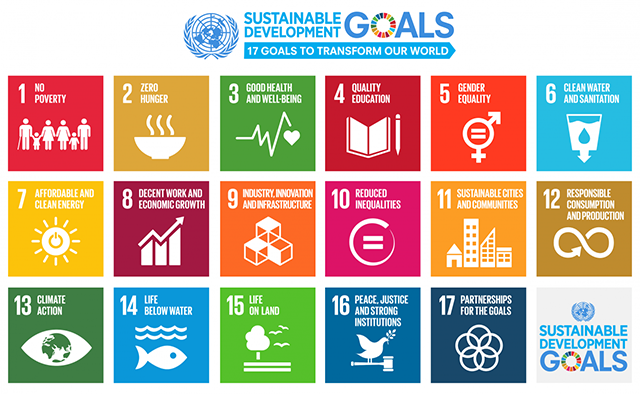
The pattern was clear: the strongest efforts mix practical training, access to mentors, market opportunities, and collaboration across institutions. That lines up with SDG 1 (No Poverty), SDG 5 (Gender Equality), SDG 8 (Decent Work and Economic Growth), and SDG 17 (Partnerships for the Goals). This list is not a ranking, and it is not exhaustive. It is a starting point for founders, mentors, and supporters who want to plug into serious ecosystems.
Why SDG entrepreneurship programs matter for SDG 1, 5, 8, and 17
Many entrepreneurs in emerging markets navigate tight budgets, small networks, and limited visibility. When programs are designed well, they do not “save” anyone. They expand access.
Here is the link between entrepreneurship and these four SDGs:
-
SDG 1 (No Poverty): Businesses create income, steady work, and pathways to ownership.
-
SDG 5 (Gender Equality): Women-owned businesses grow when they have fair access to training, finance, networks, and markets.
-
SDG 8 (Decent Work and Economic Growth): Strong small businesses create jobs and build local supply chains.
-
SDG 17 (Partnerships): Collaboration across investors, corporates, mentors, universities, nonprofits, and community groups scales what works.
If you want a simple way to start, try giving one hour per month to support entrepreneurs through mentorship, feedback, or introductions.
EAB’s lens: connection, not charity
EAB exists to shorten the bridge between talent and access.
-
Problem: Entrepreneurs often face limited networks, mentorship, and visibility.
-
Approach: EAB provides connection, training (EAB Connect), mentoring (Office Hours), and community (including GEIN).
-
Solution: A global network that helps founders start, grow, and scale, together.
Jamaica is EAB’s pilot entrepreneurship hub, and the goal is to complement what is already happening locally, respectfully.
12 entrepreneurship organizations advancing SDG partnerships and SDG entrepreneurship programs
1) UNDP: SDG and impact venture support
UNDP supports entrepreneurship and impact ventures through programs linked to sustainable finance and innovation ecosystems. These efforts often help founders strengthen models, validate solutions, and scale SDG aligned impact.
Best fit SDGs:
-
SDG 1 through inclusive growth
-
SDG 8 through enterprise expansion
-
SDG 17 through collaboration across sectors
2) UNCTAD: Empretec entrepreneurship network
Empretec is UNCTAD’s long running entrepreneurship capacity building approach. It supports founders and MSMEs through training and a global network structure that can be adapted locally.
Best fit SDGs:
-
SDG 1 through income pathways
-
SDG 8 through SME productivity and growth
-
SDG 17 through partner delivery networks
3) International Labour Organization: Start and Improve Your Business (SIYB)
SIYB is a structured training approach used widely to help people start and grow small businesses. It is practical and operations focused, which makes it useful for early-stage founders.
Best fit SDGs:
-
SDG 8 through enterprise skills and job creation
-
SDG 1 through stronger income stability
-
SDG 17 through institutional delivery partners
4) UN Global Compact: SDG Innovation Accelerator for Young Professionals
This program helps young professionals develop SDG aligned innovations inside companies. It is a strong example of corporate driven SDG entrepreneurship programs and structured partnership models.
Best fit SDGs:
-
SDG 8 through innovation and productivity
-
SDG 17 through private sector collaboration
5) UN Women: women’s economic empowerment initiatives
UN Women supports women’s economic empowerment across regions, including entrepreneurship related efforts. Their work often focuses on increasing access to opportunities, networks, and enterprise support for women.
Best fit SDGs:
-
SDG 5 through women’s economic participation
-
SDG 8 through business growth and decent work
6) International Trade Centre: SheTrades
SheTrades supports women entrepreneurs by improving access to training, networks, and market opportunities. It is especially relevant for women led businesses exploring trade pathways.
Best fit SDGs:
-
SDG 5 through women’s enterprise support
-
SDG 8 through market growth
-
SDG 17 through market and ecosystem partnerships
7) Women Entrepreneurs Finance Initiative (We-Fi)
We-Fi is a multi-partner effort that focuses on improving conditions for women owned and women- ed SMEs. It is known for convening multiple institutions around finance and non-financial support.
Best fit SDGs:
-
SDG 5 through improved access and inclusion
-
SDG 8 through SME expansion
-
SDG 17 through multi-stakeholder partnership design
8) B Lab: tools to measure and improve SDG impact
B Lab provides tools that help companies assess impact and improve practices, including SDG-aligned management approaches. For founders, this is helpful for clarity, reporting, and partner conversations.
Best fit SDGs:
-
SDG 8 through better-run businesses
-
SDG 17 through shared measurement and accountability
9) Ashoka: global community for social entrepreneurs
Ashoka identifies and supports social entrepreneurs and helps scale solutions to community challenges. It is valuable for founders building mission-driven ventures who want global network access.
Best fit SDGs:
-
SDG 1 through inclusive impact models
-
SDG 8 through scalable livelihoods solutions
-
SDG 17 through global partnerships and community
10) Acumen Academy: learning for social enterprise builders
Acumen Academy provides training for people building social ventures. It can be a strong on-ramp for early founders who need structure around business models and impact.
Best fit SDGs:
-
SDG 1 through impact-driven enterprise models
-
SDG 8 through stronger venture fundamentals
11) Village Capital: accelerators and capital readiness
Village Capital runs accelerator-style programs designed to help early-stage founders grow, learn, and become more investable. Their models often emphasize networks and founder-to-founder learning.
Best fit SDGs:
-
SDG 8 through growth and investment readiness
-
SDG 17 through investor and mentor ecosystems
12) Endeavor: global network for high-impact entrepreneurs
Endeavor supports high-growth entrepreneurs with mentorship and network access. The goal is to help founders scale and then create multiplier effects in their communities through jobs, mentoring, and reinvestment.
Best fit SDGs:
-
SDG 8 through scale and job creation
-
SDG 17 through cross-border networks
How to pick the right SDG partnership as a founder
Before you apply or commit, ask these practical questions:
-
Who is it for? Early stage, growth stage, women-led, youth-led, export-ready, or impact first?
-
What do you actually get? Mentorship, customers, capital access, training, certification, or visibility.
-
What is required of you? Weekly sessions, travel, reporting, cohort participation, pilot milestones.
-
What happens after the program? Alumni network, introductions, ongoing mentorship, and ongoing support.
-
Does it respect local context? Look for partner first language and local delivery relationships.
If you are based in Jamaica, prioritize options that help you build relationships beyond your immediate circle, including diaspora and global mentors.
How EAB fits into the SDG partnership ecosystem
EAB focuses on the connective tissue that helps programs work in real life:
-
EAB Connect helps entrepreneurs build skills, earn certification, and match with aligned opportunities.
-
Office Hours creates low-friction mentorship, one hour at a time.
-
GEIN builds trusted relationships for long-term support and collaboration.
This approach strengthens SDG partnerships by making it easier for founders and mentors to meet, collaborate, and stay engaged.
Become a Mentor
If you have built a business, led a team, shipped a product, or raised capital, you can help a founder move faster.
Become a Mentor and offer one Office Hours session per month. One focused conversation can unlock a decision, a plan, or a key connection.
FAQs
1) What are SDG entrepreneurship programs?
They are programs that help entrepreneurs start or grow businesses while advancing one or more Sustainable Development Goals. Many include training, mentorship, market access, or investment readiness. The best ones connect business growth with measurable community outcomes.
2) How do SDG partnerships help entrepreneurs in emerging markets?
Partnerships combine strengths across networks, capital, training, and access to customers. That can shorten the time it takes to find mentors, validate ideas, and reach markets. Strong partnerships also make it easier to keep momentum after a cohort ends.
3) Which organizations are best for women entrepreneurs?
Many women entrepreneurs start with initiatives focused on women’s economic empowerment, access to trade opportunities, and women-led SME growth. The right fit depends on stage, sector, and time commitment, so eligibility and program structure matter.
4) Do I need to be a social enterprise to join these programs?
Not always. Some programs prioritize impact-first ventures, while others support any business that can show alignment with SDGs like decent work, inclusive growth, or women’s economic participation. Clear goals and good tracking help, even for traditional businesses.
5) How can I support entrepreneurs if I only have limited time?
You can mentor for one hour per month, review a pitch deck, share a hiring template, or introduce a founder to a potential customer. Consistency matters more than intensity. A small, steady commitment can create real progress.