- All Stories
- Entrepreneurship Is the Fastest Path to Post-Disaster…
- General
- Seasoned Entrepreneurs
- Emerging Entrepreneurs
Entrepreneurship Is the Fastest Path to Post-Disaster Recovery
Chris Cochran
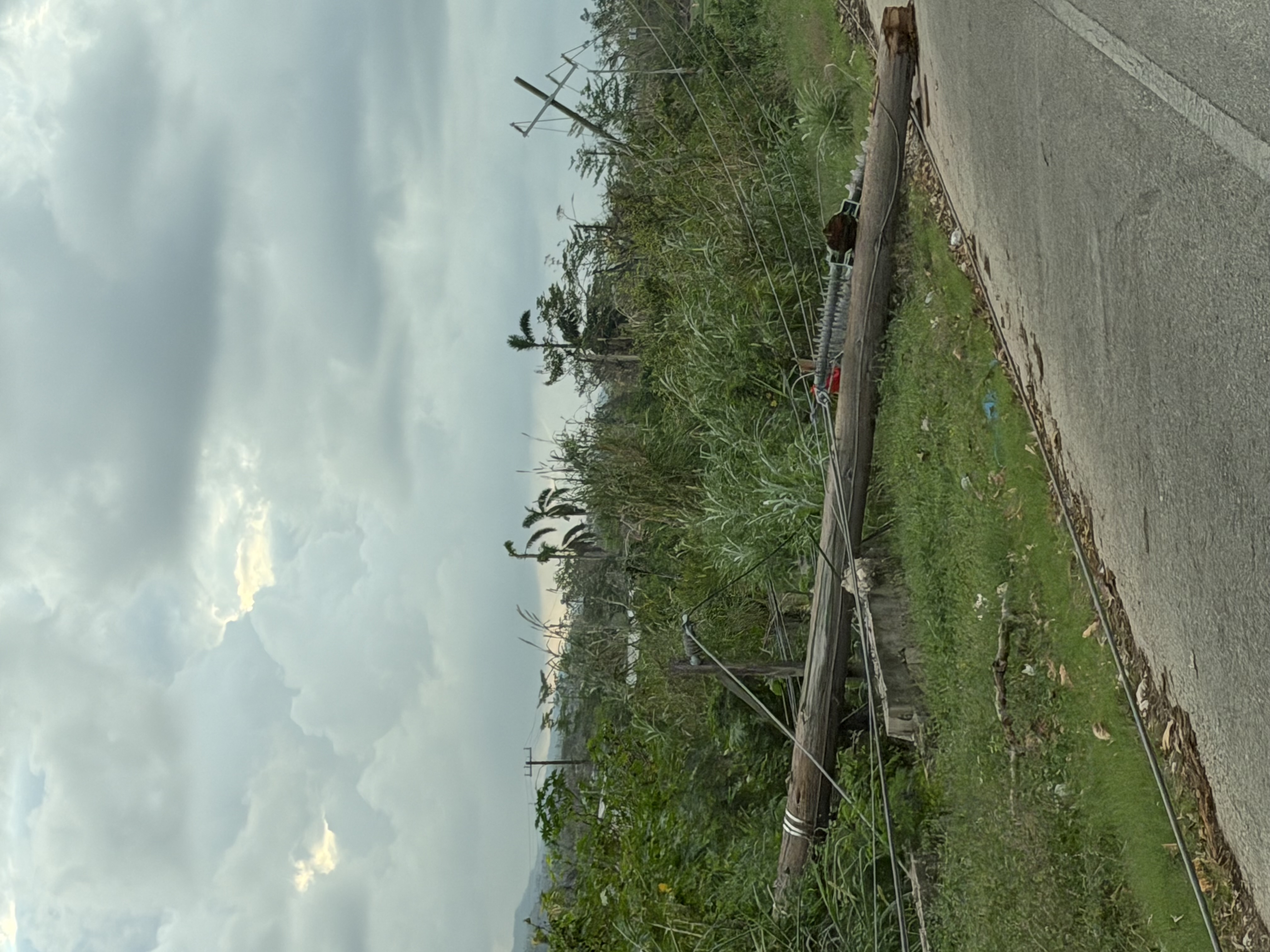
Why Entrepreneurship Is the Fastest Path to Post-Disaster Recovery
In the wake of a major disaster, the world rushes in with tremendous compassion. Relief teams deliver food, water, tarps, medical care, and generators. International NGOs deploy resources. Government ministries begin assessments. All of this is necessary—and lifesaving. But when the response shifts from relief to recovery, something else must take center stage: Entrepreneurship. Not because it’s trendy. Not because it sounds aspirational. But because entrepreneurs do something no other group does as effectively: they solve problems fast. And in developing nations, where disasters compound existing structural challenges, entrepreneurship remains the quickest and most sustainable way to reactivate economic activity and rebuild community resilience from the ground up.
Entrepreneurs Don’t Just Start Companies—They Solve Problems
In every community I’ve visited after a disaster, the most important early economic actors are not government offices, major corporations, or global institutions. They are the people who look around, see what’s missing, and improvise solutions. The fruit vendor who turns a damaged stall into a temporary distribution point for water. The welder who starts repairing zinc roofing for neighbors before NGOs even arrive. The young person who launches a micro-delivery service to move supplies between shelters. These are not “startups” in the Silicon Valley sense. They are problem-solving engines. Entrepreneurs assess gaps in real time. They create value immediately. They adapt daily. And they do it without waiting for permission, tenders, or committees. In a post-disaster environment, this ability to make rapid decisions and improvise solutions is not a luxury—it is the only way communities restart themselves.
Why Private Sector Actors Move Faster Than Government Structures
Public institutions perform essential roles after disasters—coordination, policy, and large-scale infrastructure recovery. But government systems, by design, move methodically. They require verification, procurement cycles, and layers of compliance. That structure ensures accountability, but it also means government cannot—and should not—be the only engine driving early economic reactivation. Entrepreneurs and private-sector partners operate under a different logic: they adapt instantly without waiting for budget approvals; they innovate under constraints using whatever resources are available; they operate close to the grassroots, seeing needs long before they appear in official assessments; and they scale solutions through networks, not hierarchies. The private sector is simply more nimble. When a carpenter repairs ten homes, an agro-processor restarts operations, or a small shop restocks essentials, those micro-restorations ripple outward into job creation, cash flow, and community confidence. And confidence is an economic input.
Job Creation Happens Faster Through New Businesses Than Through Legacy Ones
Large employers play a vital role in long-term stability, but they are not built for rapid expansion during chaos. Legacy companies focus first on restoring their own operations, stabilizing employees, and protecting assets. New and micro-enterprises, however, grow precisely during moments of unmet demand. After a disaster, entire sectors shift overnight. Needs emerge that never existed before. New markets appear instantly—clean water access, roofing repair, transportation, childcare, food preparation, debris removal, mobile charging, micro-logistics, and more. Small businesses can pivot into these markets far faster than large companies can retool. And when they do, they hire quickly, often informally, creating immediate income streams for neighbors and families. In developing nations, where formal employment options are already limited, this entrepreneurial activation is not just an economic benefit—it is the backbone of local recovery.
Disasters Reveal Something Profound: The Private Sector Is the Front Line of Economic Recovery
While relief agencies address survival, entrepreneurs address continuity—continuity of work, continuity of local supply chains, continuity of hope. Economic activity doesn’t begin when governments reopen offices or when donors release grants. It begins when one person decides to start fixing a roof, selling a product, or providing a service again. Every new micro-enterprise becomes a job creator, a stabilizing force for a family, a node in rebuilding the local economy, and a source of problem-solving capacity within the community. If we want to shorten the time between disaster and recovery, we must invest in the people who are already acting—entrepreneurs, tradespeople, micro-business owners, and grassroots leaders.
A New Model: Coalition-Driven, Entrepreneur-Powered Recovery
Around the world, post-disaster efforts tend to focus on infrastructure and humanitarian aid—again, essential. But in countries like Jamaica, where the entrepreneurial spirit is already deeply rooted in community life, the fastest path to stability is to activate the private sector intentionally and early. This is why EAB and partner organizations advocate for a recovery model that identifies entrepreneurs early, gives them tools, training, and micro-capital; removes barriers that slow their work; connects them to private-sector partners who can amplify their impact; and uses real-time data from grassroots businesses to guide national and international actors. Entrepreneurs are not an afterthought in recovery—they are the missing middle, the overlooked engine, the underestimated strategy hiding in plain sight.
If We Want a Stronger Recovery, We Need to Start With the People Who Build Economies—Not Just the Systems That Govern Them
Disasters expose how fragile systems can be. But they also reveal how powerful communities become when entrepreneurs are empowered, supported, and connected. Relief may save lives. Government may rebuild roads. But entrepreneurship restores dignity, income, and momentum. It is the only force that scales from the bottom up. And in developing nations, where resilience is built through people rather than institutions, it is entrepreneurship—not bureaucracy—that brings recovery to life.